Paint protection film is only as good as its installation. You can buy the highest-quality film available, but if it's not applied correctly, you're not getting the protection you paid for. PPF installation mistakes can lead to lifting edges, trapped debris, bubbles, and premature failure.
The difference between a great PPF installation and a problematic one often comes down to experience and technique. At Splash Hand Car Wash, we've been installing paint protection film in Libertyville and Northbrook for years. We're a family business going into our third generation.
Understanding common PPF installation mistakes helps you know what to look for when evaluating quality.
Mistake 1: Inadequate Surface Preparation
Surface prep is where quality PPF installation begins. If the paint isn't properly cleaned and prepared, the film won't bond correctly. This is one of the most common PPF installation mistakes because it's easy to rush through.
Contaminants on your paint (dirt, wax, oils, old sealant) prevent the film's adhesive from making solid contact with the clear coat. Even microscopic particles can create bonding issues that show up weeks or months later.
Proper surface preparation requires complete decontamination, removal of all wax and protective coatings, careful cleaning of edges and body lines, and final wipe-down. Skipping these steps sets up the installation for failure. The film might look fine initially, but problems develop as the adhesive struggles with contaminated surfaces.
Mistake 2: Improper Film Stretching and Tension
PPF is designed to stretch and conform to your vehicle's curves and contours. But there's a right way and a wrong way to work with this flexibility. Overstretching the film is a major PPF installation mistakes that causes long-term problems.
When film is stretched too much during installation, it creates internal stress. The film wants to return to its original shape, which causes it to pull away from edges and seams over time. This leads to lifting, especially around areas that were stretched the most.
On the flip side, not stretching the film enough leaves wrinkles and doesn't allow proper conformity to body lines. Finding the right balance requires experience with how different films behave and how vehicle surfaces are shaped.
Professional installers understand film characteristics. They know how much tension to apply for different areas and how to work the material without compromising its integrity. This knowledge comes from hands-on experience that's hard to replicate without proper training.
Mistake 3: Trapped Air Bubbles and Debris
Nothing ruins the look of PPF installation faster than visible bubbles or trapped debris. These are telltale signs of PPF installation mistakes that indicate rushed or inexperienced work.
Small air bubbles sometimes work themselves out as the film settles. But larger bubbles signal problems with application technique or surface contamination. These can grow over time and compromise the film's protective abilities.
Debris trapped under the film is worse. Dust, lint, hair, or other particles create raised spots that are visible and cannot be fixed without removing and replacing the film.
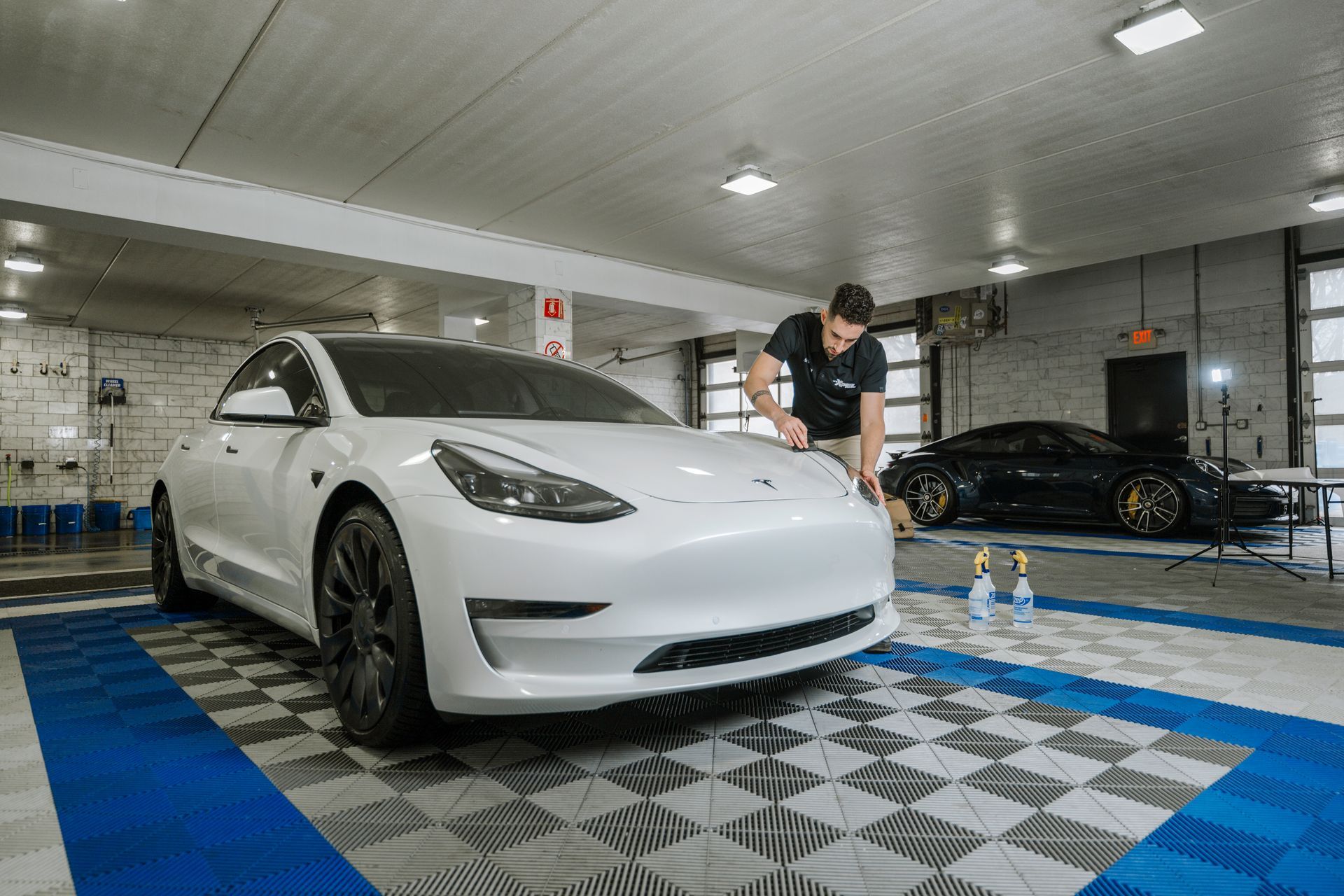
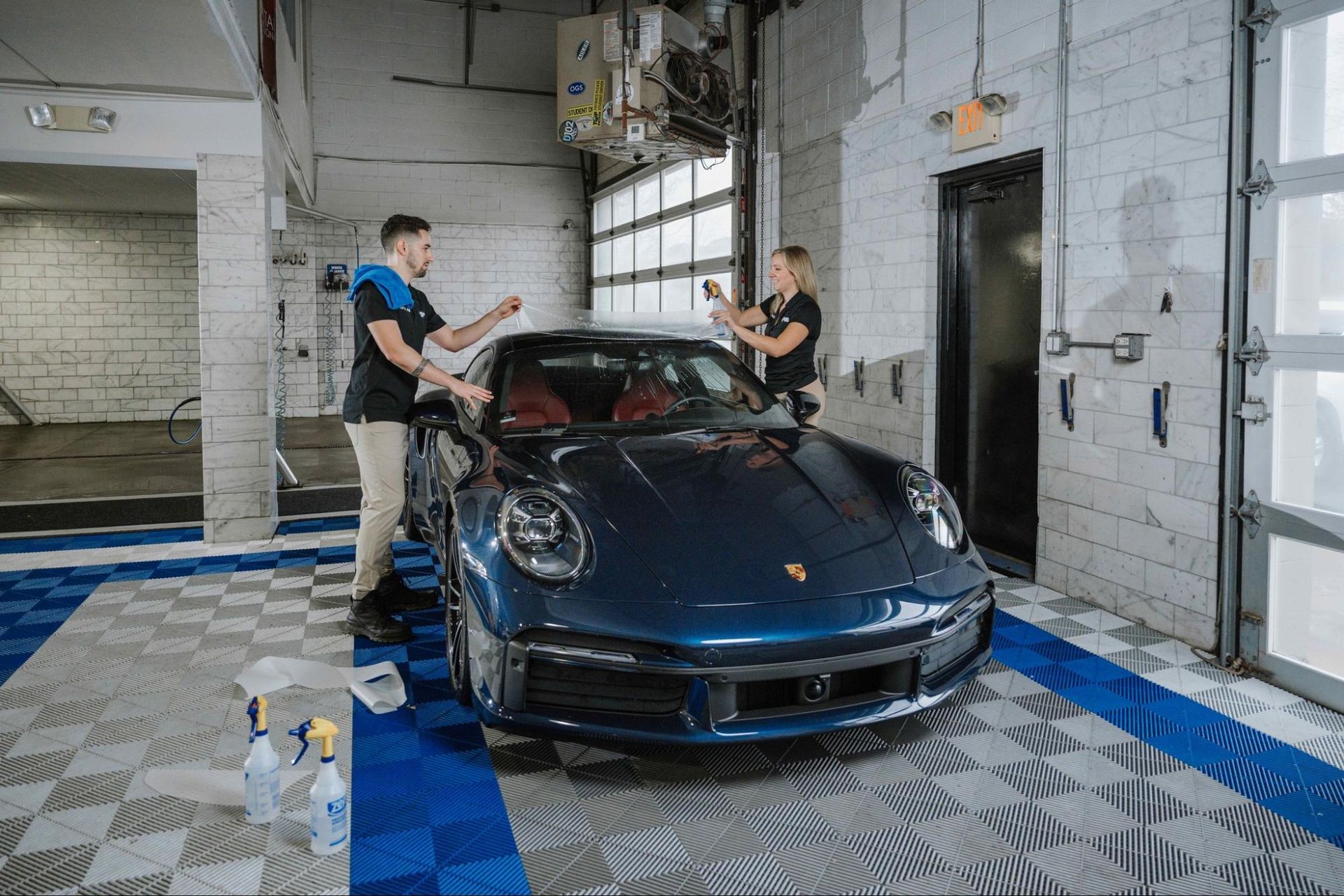
Preventing these issues requires working in a clean environment, careful film handling, proper squeegee technique, and adequate lighting. Professional installation facilities maintain clean workspaces specifically designed for PPF application.
Mistake 4: Poor Edge Sealing and Finishing
Edges are where PPF installations typically fail first. Poor edge work is one of the most common PPF installation mistakes because it requires precision that inexperienced installers often lack.
When edges aren't properly sealed, they lift over time. Water, dirt, and contaminants get underneath and accelerate the failure. Proper edge finishing involves wrapping edges completely where possible, sealing exposed edges correctly, ensuring smooth transitions, and avoiding excessive bulk.
Each vehicle has different edge challenges. At Splash Hand Car Wash, our technicians understand these nuances and apply the right approach for each area.
Mistake 5: Incorrect Environmental Conditions
Temperature and humidity matter when installing PPF. Working in the wrong environmental conditions is a PPF installation mistakes that affects how the film behaves and how well the adhesive bonds.
A film that's too cold becomes stiff and difficult to work with. It doesn't stretch properly and is more prone to tearing. A film that's too hot can become too pliable, making it easy to overstretch and creating adhesive issues.
Professional installation facilities control these variables to ensure the film behaves predictably and the installation process goes smoothly.
Why Professional Installation Makes the Difference
Understanding these PPF installation mistakes shows why professional installation is worth the investment. At Splash Hand Car Wash, we have the experience, equipment, and controlled environment needed for quality PPF installation. Our technicians understand how film behaves, how to work with challenging curves, and how to avoid mistakes that compromise installations.
Professional installation also comes with warranty backing. When issues arise, you have recourse. The peace of mind that comes with knowing your PPF is installed correctly is valuable.
What Quality PPF Installation Looks Like
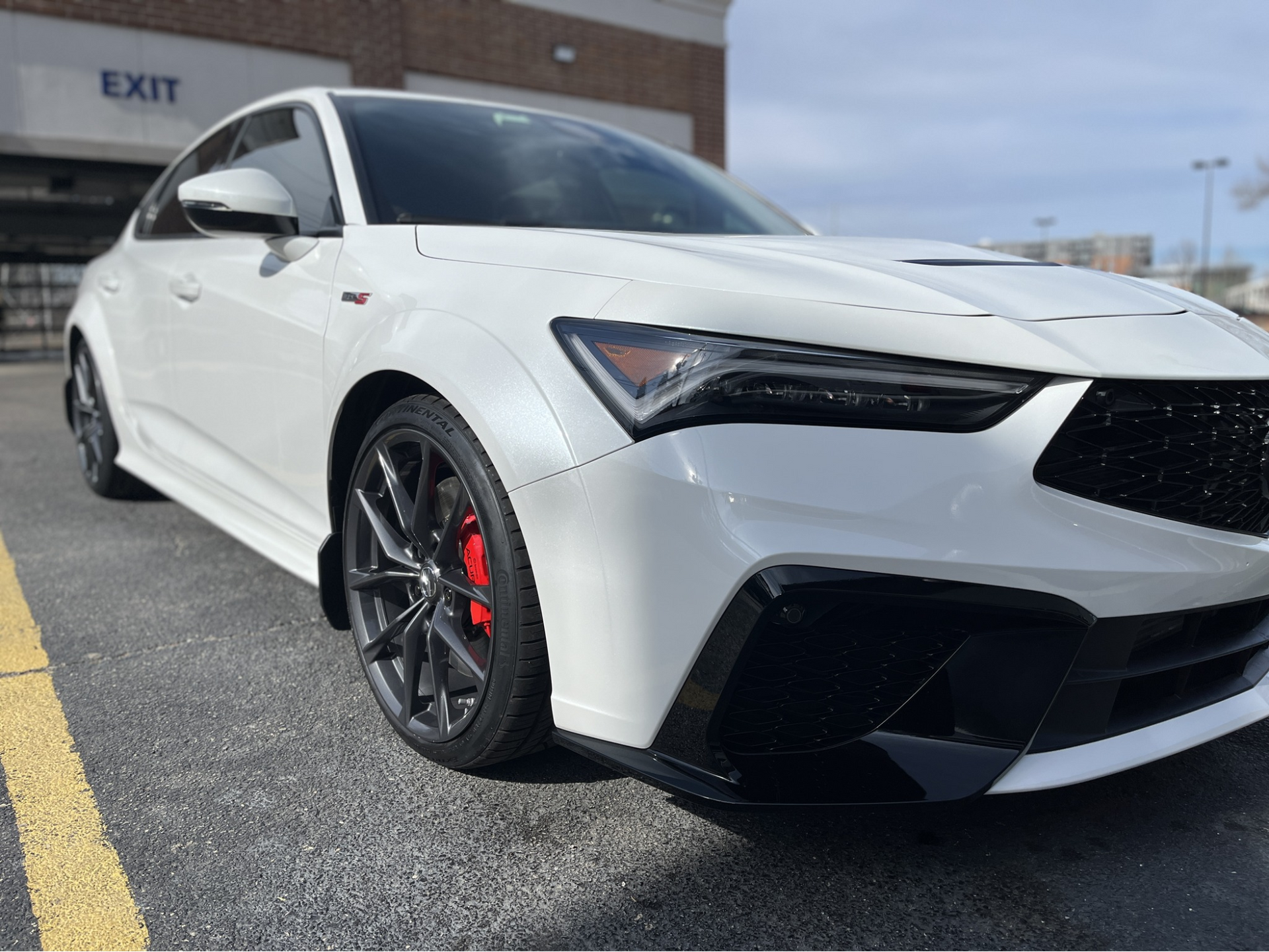
When PPF is installed correctly, you should see clean, smooth surfaces with no visible bubbles; edges that lay flat with no lifting; proper alignment with body lines; no trapped debris; and consistent film thickness.
The film should be nearly invisible in most lighting. If you notice bubbles that persist, lifting edges, or visible debris, these indicate PPF installation mistakes that need attention.
Choosing the Right Installation Partner
When evaluating PPF installers, look for experience with your vehicle type, a clean installation environment, examples of previous work, warranty coverage, and professional-grade materials. Ask questions about their installation process and surface preparation methods.
At Splash Hand Car Wash, we're transparent about our installation process. Our Libertyville and Northbrook locations offer professional PPF installation with the attention to detail that ensures your film performs as intended.
The Cost of Installation Mistakes
PPF installation mistakes aren't just aesthetic issues. Failed installations need to be redone, meaning you pay for new material and labor again. Poor installation also means your paint isn't protected. The film lifts or fails, exposing your paint to exactly what you were trying to prevent.
Investing in quality installation from the start avoids these problems. The long-term value of properly installed PPF far exceeds the initial price difference.
Ready for Professional PPF Installation?
Your vehicle deserves protection that actually works. Quality PPF installation ensures the film performs as designed, protecting your paint for years to come.
Contact us at Splash Hand Car Wash to discuss your paint protection needs. Our experienced technicians in Libertyville and Northbrook are ready to provide the quality installation your vehicle deserves.
Frequently Asked Questions About PPF Installation
How long should professional PPF installation take?
Professional PPF installation takes time because quality work can't be rushed. Installation time depends on the coverage area. Rushing the process leads to the installation mistakes discussed in this article. Quality installers focus on doing the job right rather than doing it fast.
Can small bubbles in PPF be fixed after installation?
Small bubbles that appear immediately after installation often resolve themselves as the film settles and the adhesive fully bonds. If bubbles persist or appear to be getting larger, they indicate installation issues that need professional attention. Attempting to fix them yourself can cause more damage.
What causes PPF edges to lift over time?
Edge lifting happens when film edges aren't properly sealed during installation or when the film is overstretched. Poor surface preparation also contributes. Once lifting starts, moisture and contaminants get underneath, accelerating the problem. Proper installation techniques prevent this common failure mode.
Is DIY PPF installation worth attempting?
DIY PPF installation is challenging even for experienced hands-on people. The mistakes outlined in this article (surface prep issues, improper stretching, trapped debris, poor edge work, and wrong environmental conditions) are all easier to make than avoid without training. Professional installation comes with warranty protection and guarantees the film performs as intended