
Paint Protection Film Road Debris: Does It Shield Commuter Cars?
Commuters rarely see the moment a chip happens. One week the hood looks fine, and a few weeks later there is a small mark right where the trucks ahead kicked up gravel. Those marks add up over time. That is why many drivers in Illinois start asking about paint protection film road debris options before the damage becomes obvious.
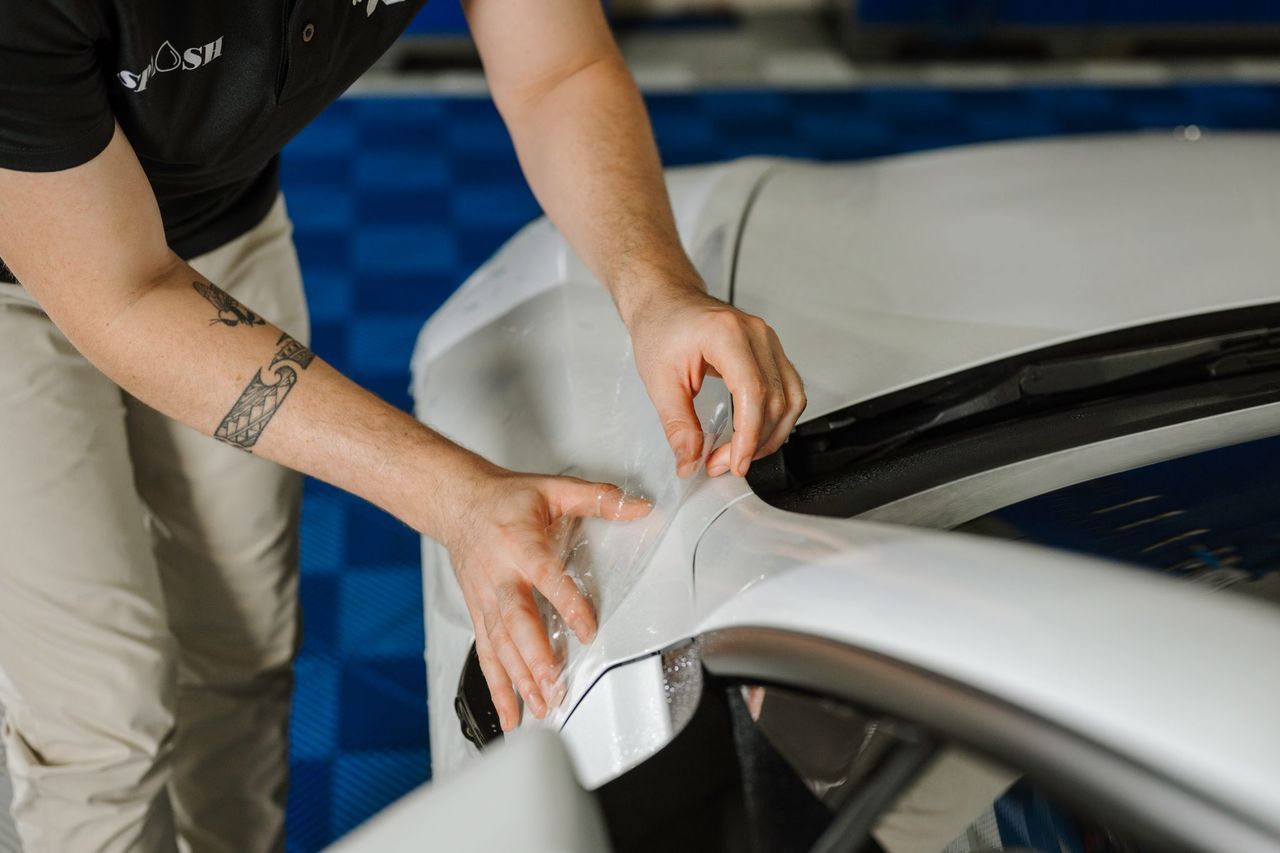
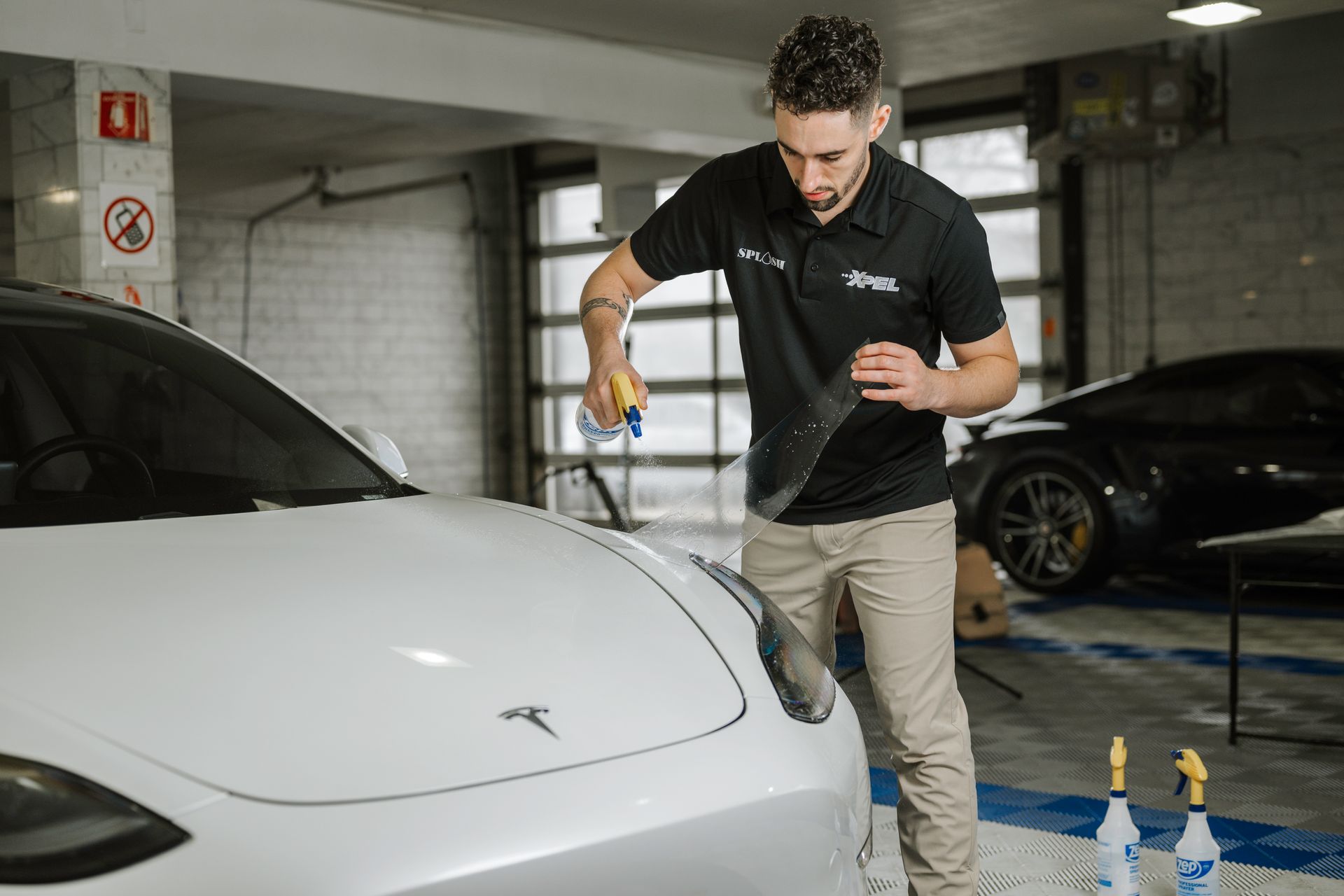
Paint protection film, or PPF for short, is a clear sheet that goes over the painted panels. Its job is to take some of the hits so the paint underneath does not have to. It works well against the small impacts from normal highway and city driving. It will not turn the car into something indestructible, and it is smart to understand that before you decide.
In this article, we look at what the film can and can't handle, why highway and roadwork driving raise the risk, and why paint condition should come first. We also cover how your daily routine should guide coverage. Splash Hand Car Wash and Detail serves drivers in Libertyville and Northbrook, IL, and its crew can talk through paint protection film options.
What Paint Protection Film Road Debris Really Covers
The film soaks up some of the energy, so the paint has less to deal with.
Picture a pebble that bounces off the pavement and hits the front bumper. The film meets that stone first, and the force spreads through the film before it reaches the paint. Splash's paint protection film page points to road hazards common on Illinois roads and pebbles thrown on freeways as the threats this film is meant to handle.
The film does the most good against the debris drivers run into every day:
- Small stones and gravel flung up by passing traffic
- Grit carried by wind or road spray
- Minor debris dropped onto the lanes ahead
Highway Miles and Stone Strikes
Miles at highway speed give stones more chances to connect.
On a highway, you drive inside a steady stream of vehicles. Heavy trucks and passenger vans shed grit from their tires, and that grit can settle on the hood, bumper, mirrors, and lower panels. Each extra mile gives one more chance for contact. Drivers who log long hours on busy roads often notice marks sooner than people who drive only a few miles a week.
The front end takes most of this. The hood usually gets hit first, while mirror housings and lower door sections can collect chips too when traffic is heavy.
Roadwork Adds Loose Material to the Mix
Active work zones tend to leave loose stone near the lanes.
Loose material shows up in a few familiar forms around construction: gravel on the shoulder, broken chunks of old pavement, and crushed rock left from earlier work. Traffic shifts and slows down, so cars bunch together and leave less room to react. Crews grading, paving, or patching the road can also loosen material that passing tires throw back up. If your route crosses active roadwork, you may see more chips than you would on smooth pavement.
Where the Film Stops Helping
Every owner should know where the film's usefulness ends.
No film turns paint into armor. Heavier strikes can still reach the surface, and no film covers every kind of contact. Sharp objects, hard hits, and some types of rubbing can still leave marks. The film also needs regular care over the years, so it does not replace good maintenance.
Before you pick coverage, keep these limits in view:
- Film lowers the odds of damage without making them zero.
- Deeper marks may still need a professional look.
- The film performs best on clean, well-prepared paint.
Why Paint Condition Comes First
Whatever sits under the film shows through in the end.
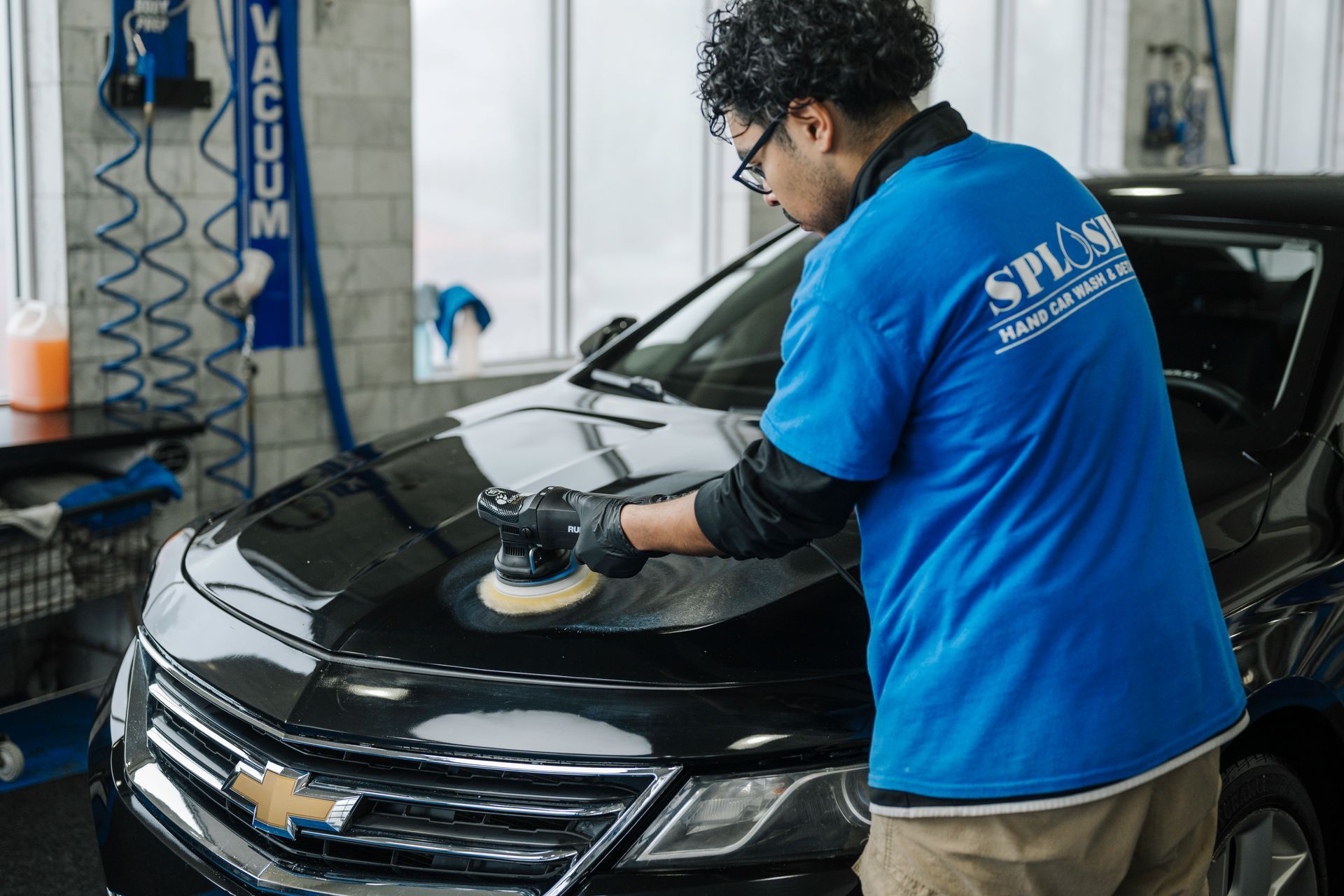
Flaws in the paint can look more obvious once a clear film covers them, so it makes sense to address them first. Splash's
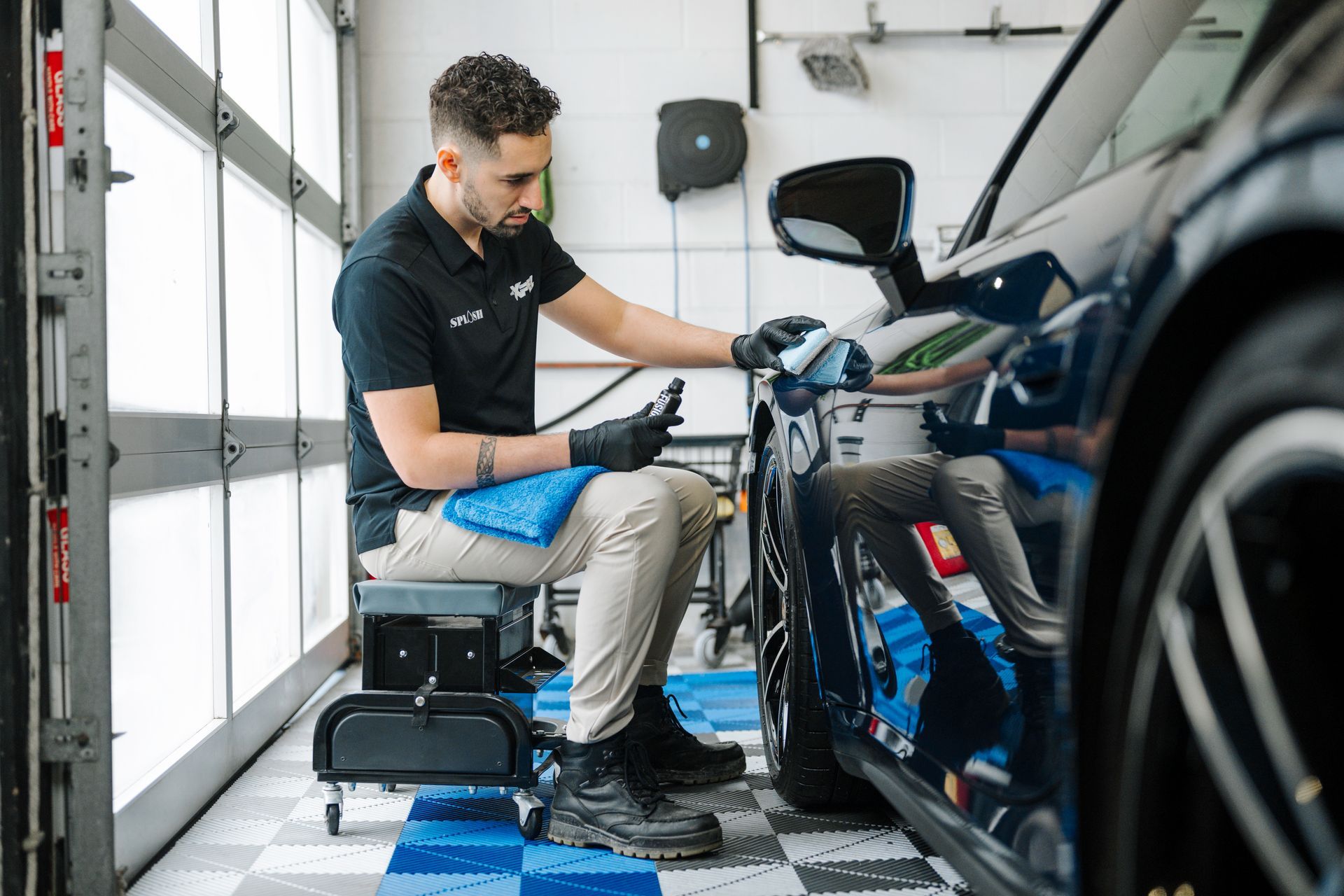
paint correction service starts with a swirl-free single-stage polish. Extra cutting and polishing stages can be added when the paint needs more work, which gives the film a better surface to sit on.
Match Your Coverage to Your Daily Miles
Where you drive, and how often, should steer the coverage you pick.
Someone who sits on the interstate for hours faces other conditions than a driver who mostly stays on local streets. Coverage should follow real driving patterns instead of a generic guess. These questions can help you sort out your own needs:
- What share of your week is spent on highways?
- Do your routes cross any work zones or gravel stretches?
- Do you tow a trailer or follow heavy trucks often?
- When it is parked, where does the car usually sit?
Those answers help you pick the right paint protection film road debris setup for your car. A ceramic coating is a separate kind of protection. Splash's ceramic coating page notes that the coating is not impervious to physical damage, so it does not replace film when impacts are the main worry.
Bring Your Driving Habits to the Team
A short conversation can show which panels deserve attention first.
Your daily drive and the state of your paint both shape the plan. Contact Splash Hand Car Wash and Detail to describe how you drive, and the crew can point out where film may help most.
Frequently Asked Questions
Will the film keep my paint completely untouched?
Not always. Paint protection film can absorb part of the force from small stones and grit, but heavier hits and sharp objects can still get through. Scratches from rough contact may also appear. The best results come from pairing the film with good paint condition and steady care.
How well does the film handle freeway stones?
It is meant for the smaller strikes common on highways, like loose stones and gravel tossed up by traffic. The hood, bumper, and mirrors take most of that material, so they are the usual focus. No film blocks every impact, and how much protection you get depends on the product and the areas it covers.
Where on the car should film go first?
Most drivers start with the front end, including the hood, front bumper, and mirrors. The lower panels can collect chips too, most often on rough pavement. Splash's paint protection film page lists Partial Front, Full Front, and Track Pack options, and it also offers a headlight add-on. Your daily route is the best guide for choosing among them.
Is paint correction needed before the film goes on?
In many cases, yes. Small flaws can look more obvious once a film sits over them, so fixing them first is usually the smarter order. Splash's paint correction service begins with a swirl-free single-stage polish and can add more cutting and polishing stages if the paint needs them. The team can check the finish and suggest a path that fits.
How does the film differ from a ceramic coating?
They protect in different ways. According to Splash's ceramic coating page, the coating is not impervious to physical damage, and it does not self-heal the way film does. Film works as a separate barrier on the surface and can take some of the hit. A few owners combine both. Others pick one depending on where they drive.