Your vehicle's paint serves as more than decoration. It's the primary protective barrier between metal body panels and environmental exposure. Maintaining this barrier through a proper best car wash routine prevents deterioration and preserves your vehicle's appearance.
Understanding how regular washing protects paint and what makes an effective routine helps you maintain your vehicle properly. Paint protection requires consistency and a proper approach.
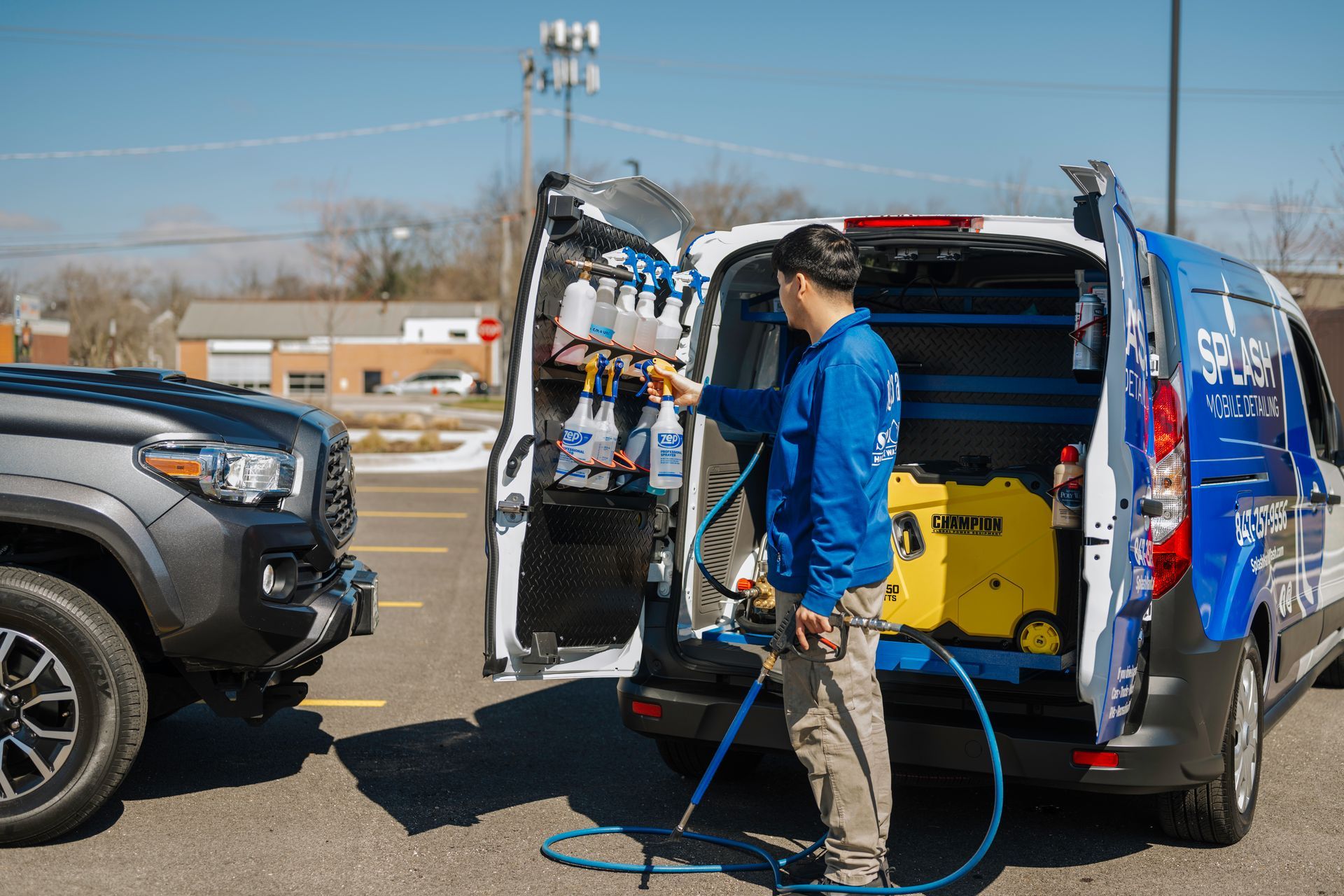
At Splash Hand Car Wash and Detail, we're a family business going into our third generation, serving Libertyville and Northbrook. We understand how proper washing routines contribute to long-term paint protection.
How Regular Washing Protects Paint
Paint protection starts with understanding what threatens your vehicle's finish. Environmental contaminants constantly accumulate on paint surfaces, and leaving them in place causes damage over time.
Road salt and de-icing chemicals attack paint and clear coat when allowed to sit on surfaces. Winter driving in the Chicago area exposes vehicles to these corrosive substances, requiring regular removal.
Bird droppings and tree sap contain acids that etch into paint. The longer these contaminants remain, the deeper they penetrate. Regular washing removes them before permanent damage occurs.
Brake dust from normal driving bonds to paint and wheels. This metallic contamination contains corrosive compounds that attack finishes when left in place.
Industrial fallout, road tar, and environmental pollution settle on paint constantly. These contaminants build up gradually and dull the appearance while creating pathways for moisture to reach the metal.
Regular washing removes contaminants before they bond permanently to paint. Fresh contamination washes away easily. Contamination left for weeks becomes increasingly difficult to remove and causes more damage. Consistent washing maintains the protective barrier that paint provides.
Components of an Effective Washing Routine
The best car wash routine includes several key elements that work together to protect paint while maintaining appearance.
Washing frequency:
Frequency depends on environmental exposure and driving conditions. Vehicles driven in winter conditions benefit from more frequent washing to remove salt and chemicals. Outdoor-parked vehicles need more regular attention than garage-kept ones.
During salt season, washing removes corrosive materials before they cause damage. Other times of year, washing frequency can be adjusted based on visible contamination and personal standards.
Hand washing advantages:
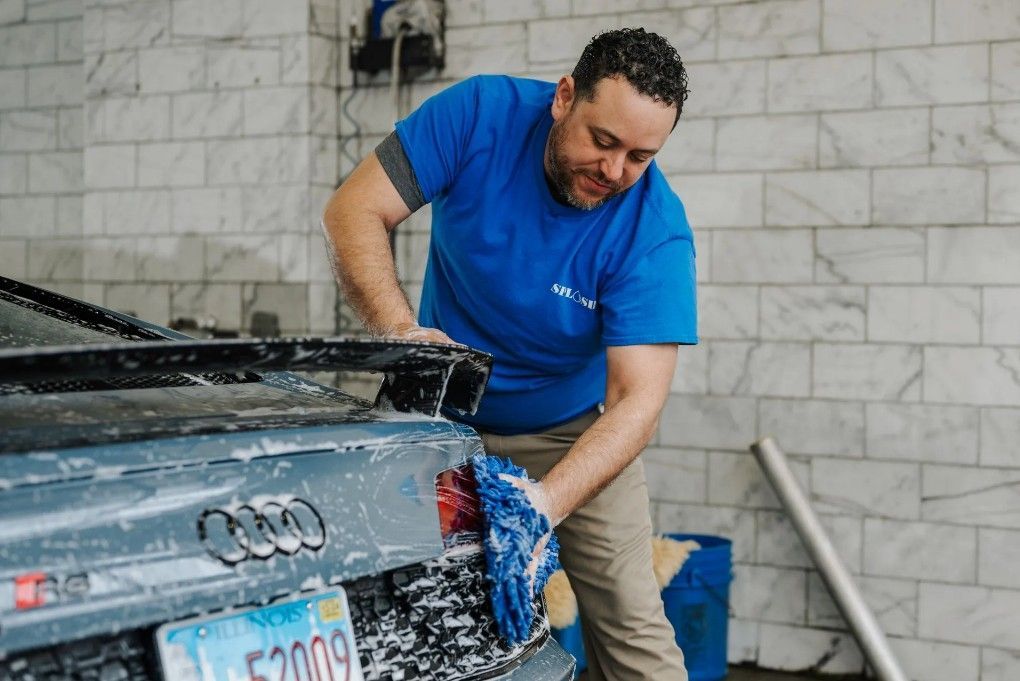
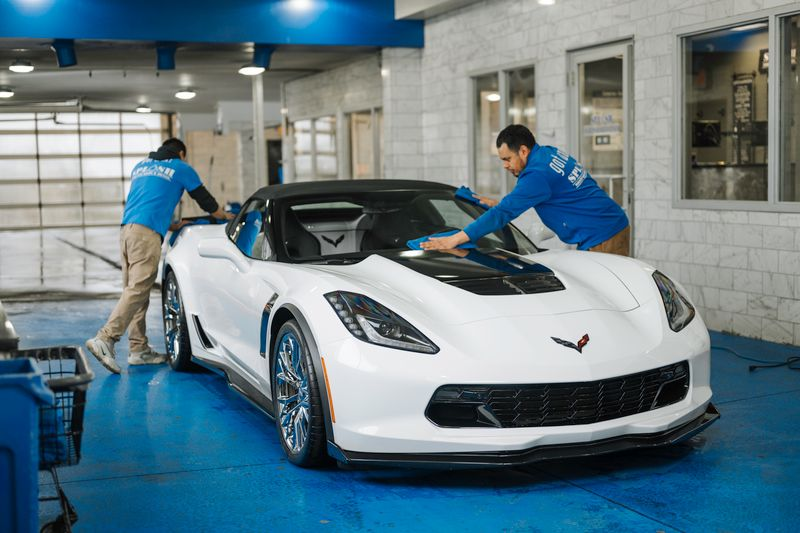
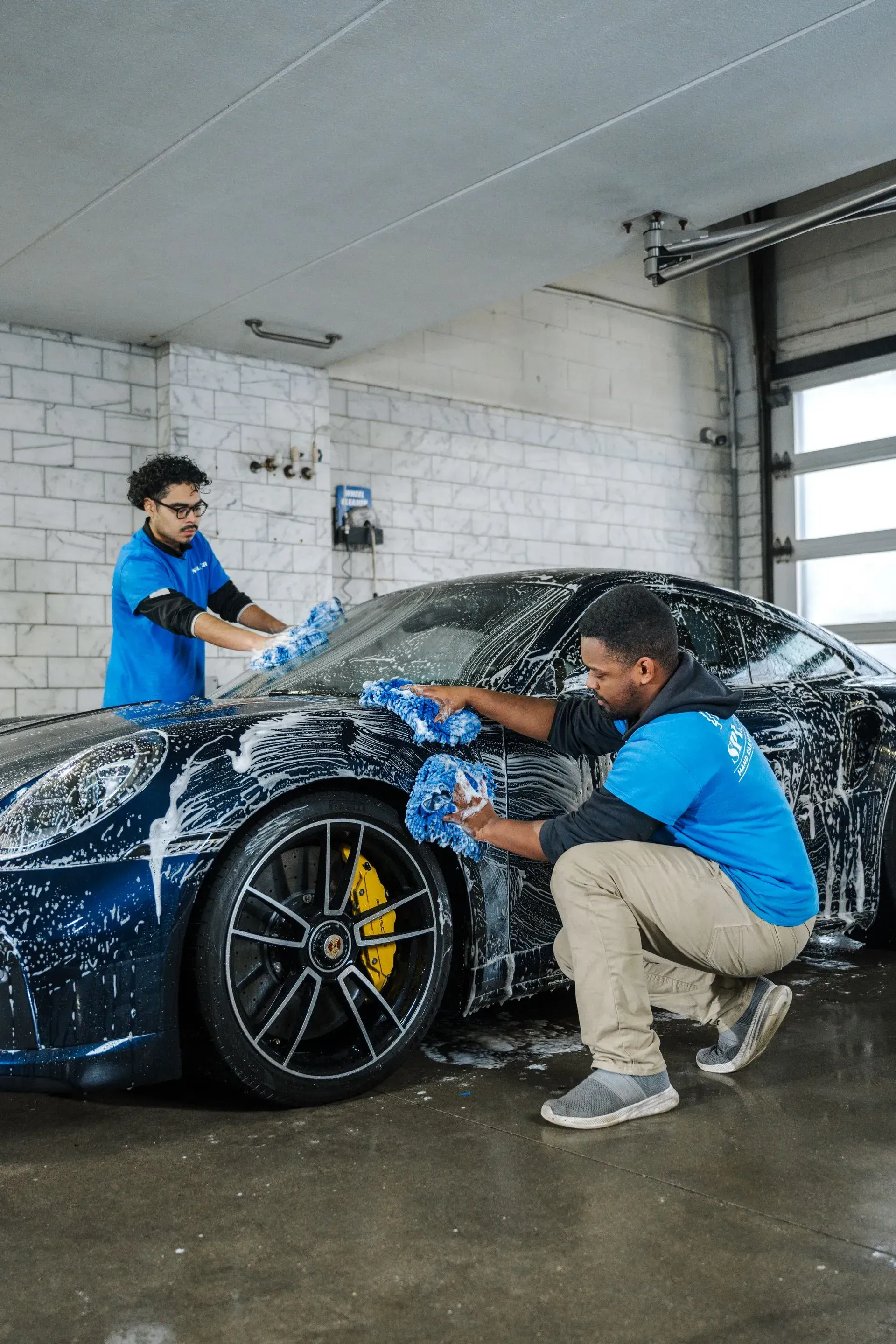
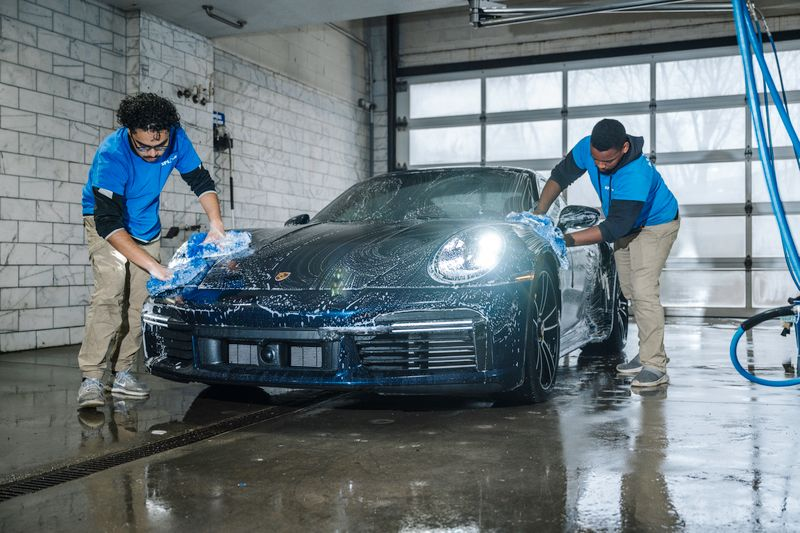
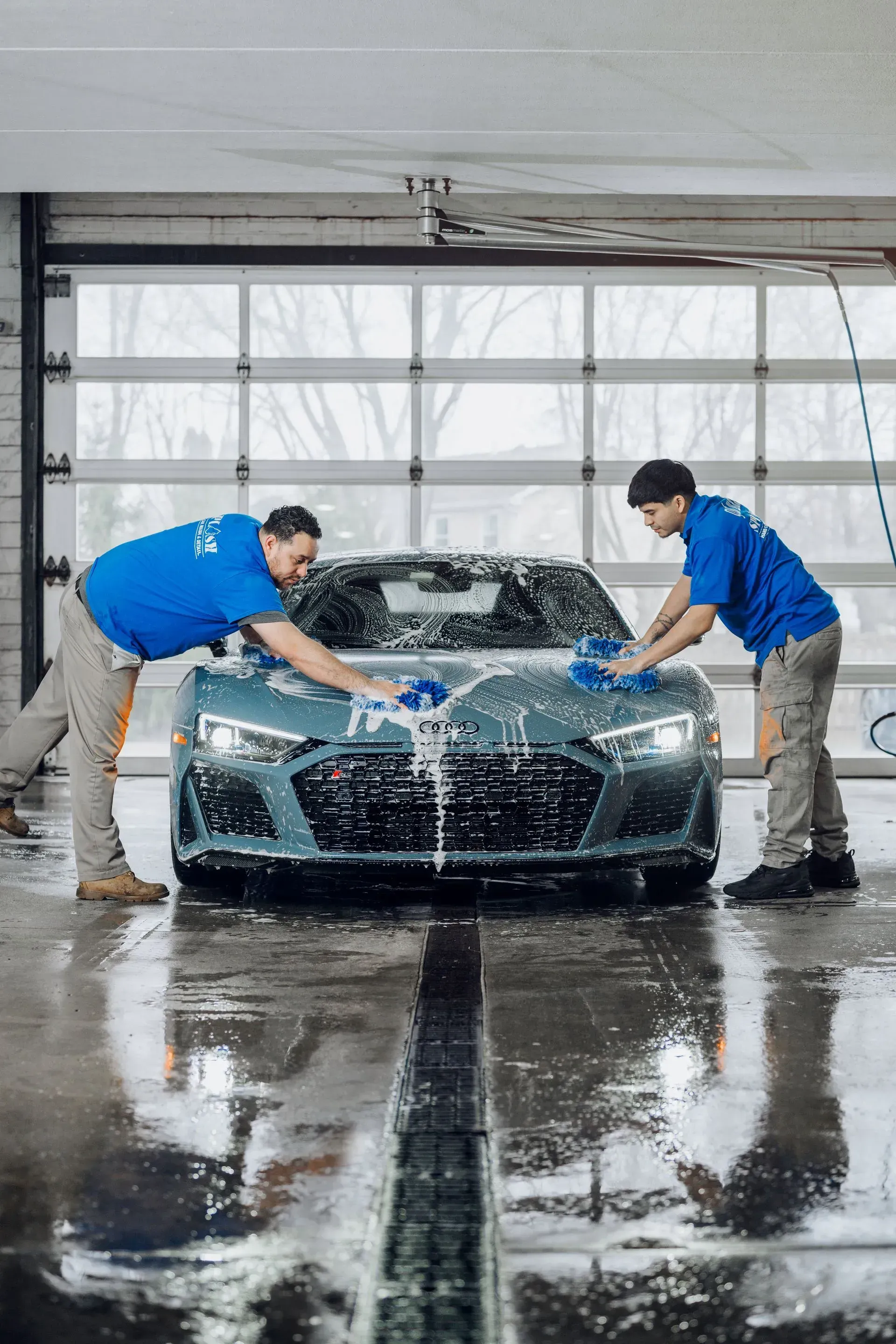
Hand washing provides thorough cleaning for vehicle exteriors. Hand car wash services offer an alternative to automated washing.
Proper drying:
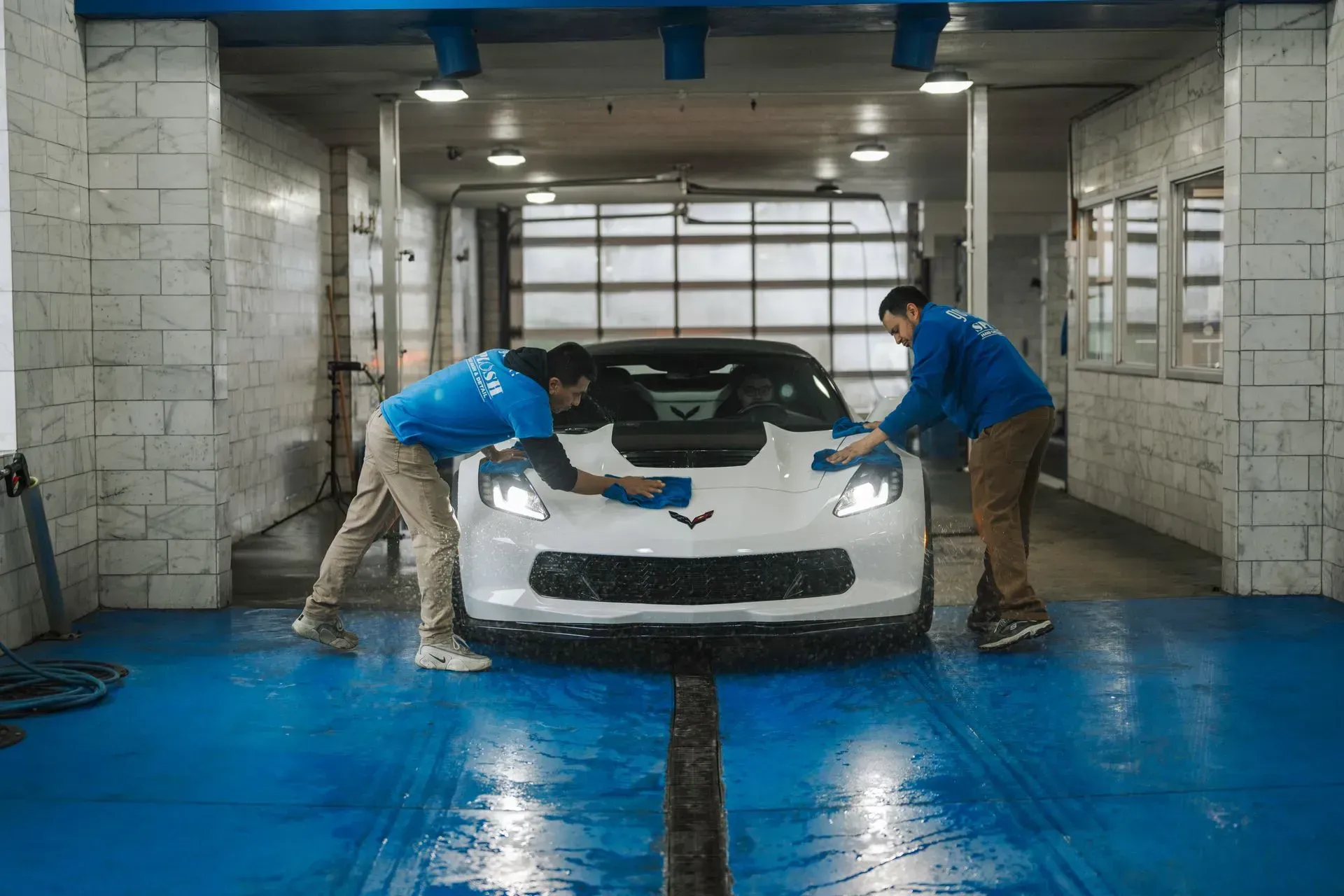
Drying prevents water spots that mar the appearance. Thorough drying also helps prevent moisture-related issues. Proper drying is an important part of the washing process.
Building Your Washing Schedule
Creating a consistent best car wash routine requires establishing a schedule that matches your vehicle's exposure.
Winter requires more frequent washing in areas using road salt. Spring benefits from thorough washing to remove accumulated winter contamination. Summer and fall washing schedules can adjust based on environmental exposure, like pollen and dust.
Chicago area weather creates specific washing needs. Winter salt exposure, spring pollen, and varied seasonal conditions affect ideal washing frequency. Vehicles parked outdoors accumulate contamination faster than garage-kept vehicles.
Paint Protection Treatments
While regular washing forms the foundation of paint protection, additional measures enhance this protection.
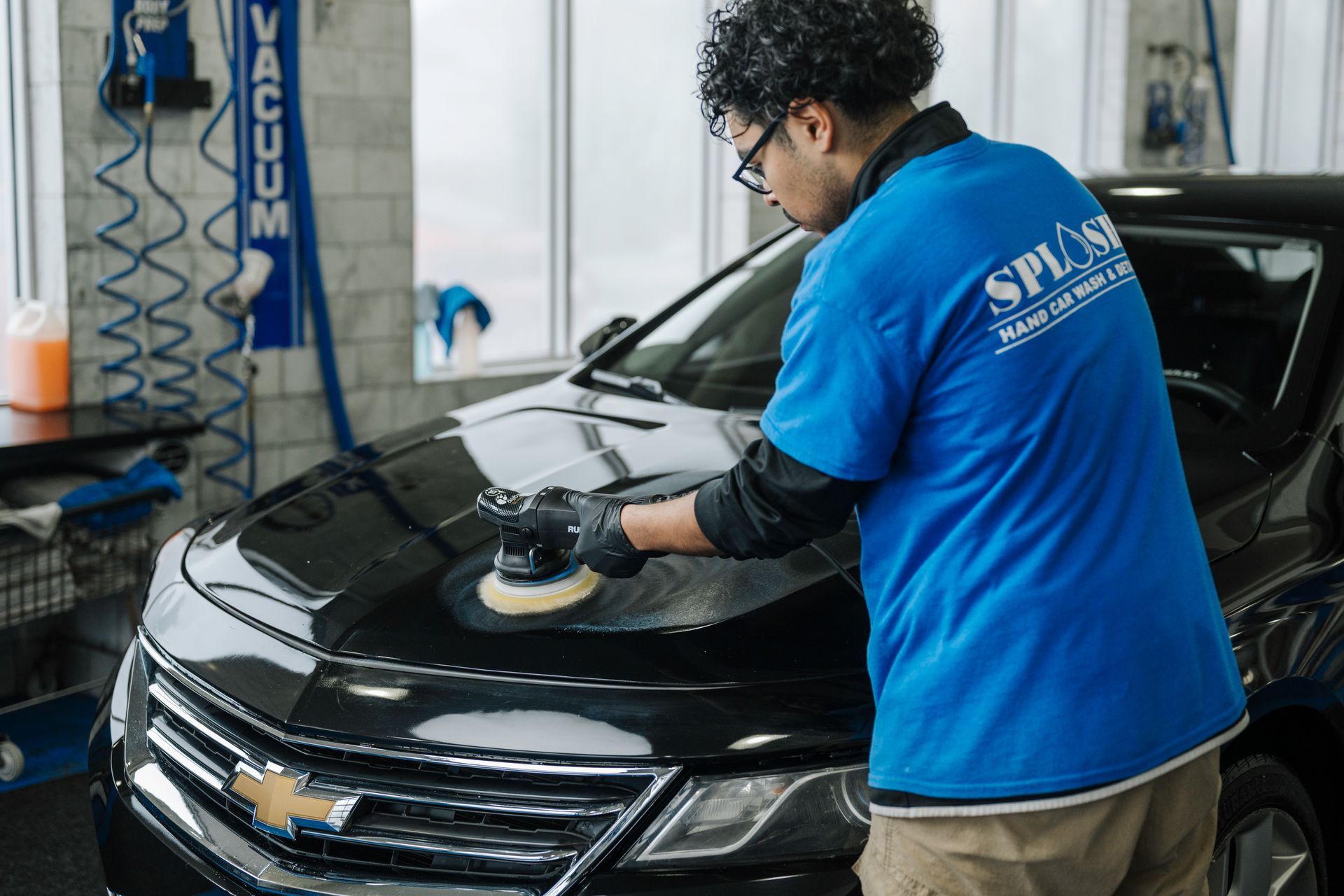
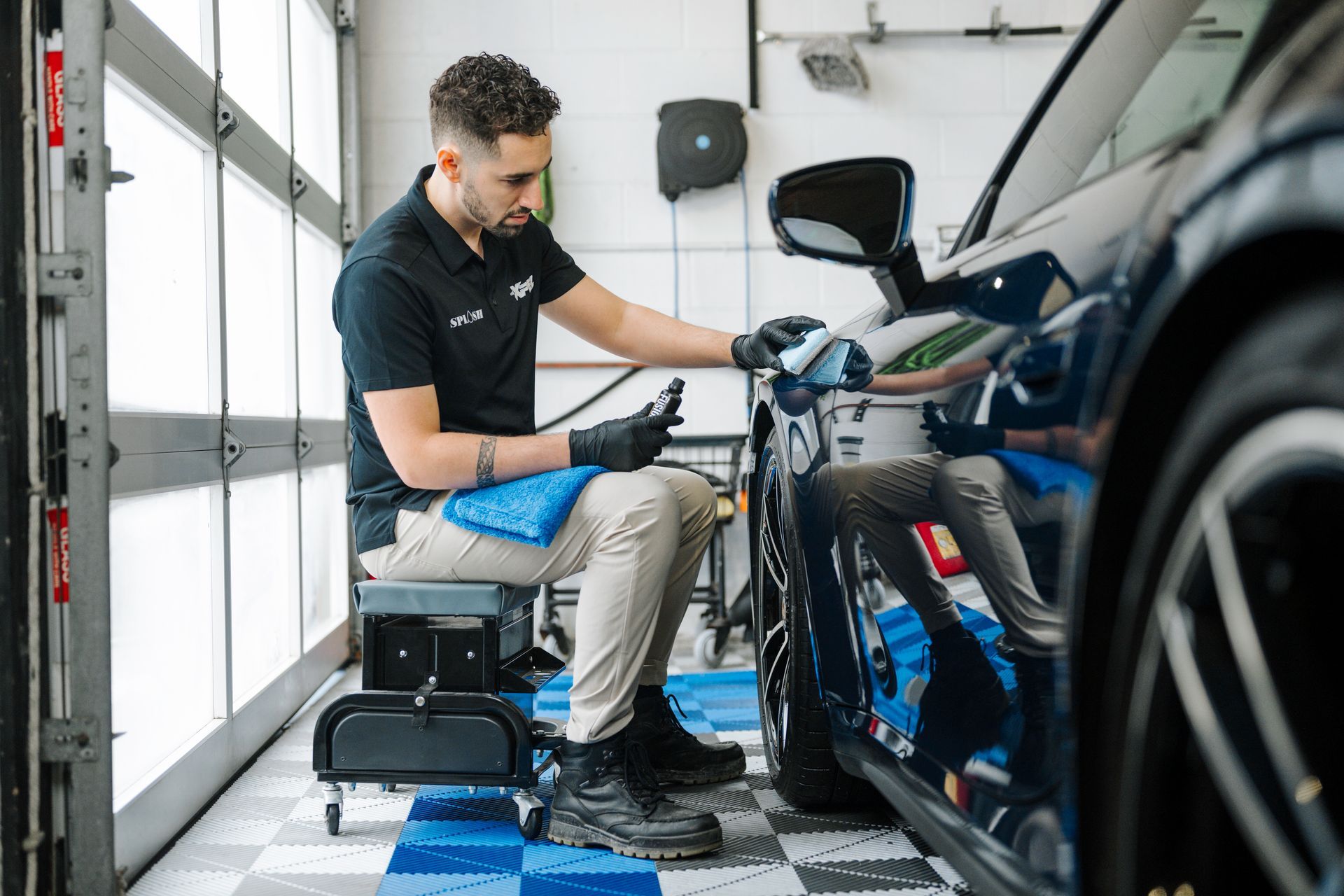
Ceramic coating provides an additional protective layer over paint. This treatment makes regular washing more effective by preventing contaminants from bonding as readily to paint surfaces.
Paint protection film offers physical barrier protection for paint. This film shields surfaces from environmental damage and contaminants while maintaining appearance.
These professional treatments work alongside your washing routine to provide comprehensive paint protection. They don't eliminate the need for regular washing but make washing more effective.
Maintaining Consistency
The most effective, best car wash routine is one you actually follow. Consistency matters more than perfect technique.
Choose a washing frequency you can maintain. Professional services help maintain consistency by removing the physical effort requirement. When washing becomes a scheduled service rather than a task, consistency improves.
The goal is to protect your paint over the years of ownership. Long-term consistency beats short-term perfection. Build a routine that works with your life.
Signs Your Routine Needs Adjustment
Watch for indicators that your best car wash routine requires modification.
Water behavior on paint reveals protection status. When water stops beading properly, your paint needs more frequent washing or additional protection. This signals that contaminants are building up or protective layers have degraded.
Visible contamination between washes suggests more frequent cleaning would benefit your vehicle. If your car looks dirty before your next scheduled wash, increase frequency.
Dull or hazy paint indicates contamination buildup that regular washing isn't preventing. This may require professional cleaning beyond your normal routine to restore proper condition.
Your Long-Term Paint Protection Strategy
Protecting your vehicle's paint through a proper best car wash routine preserves both appearance and value. Regular washing prevents the contamination buildup that causes deterioration and expensive damage.
The routine that works best is one you maintain consistently throughout ownership. Whether through DIY washing or professional service, consistency in removing contaminants provides the foundation for long-term paint protection.
Contact us at Splash Hand Car Wash and Detail to discuss washing routines and paint protection for your vehicle. Our Libertyville and Northbrook locations provide services that support your paint protection goals.
Frequently Asked Questions
How often should I wash my car to protect the paint?
The best car wash routine frequency depends on environmental exposure and driving conditions. During winter months with road salt, more frequent washing removes corrosive materials. At other times, washing when visible contamination appears or based on a regular schedule works well. Many vehicle owners find that washing regularly throughout the year maintains paint protection effectively. Your specific frequency should match your local conditions and vehicle exposure.
Can washing too often damage my paint?
Washing itself doesn't damage paint when done properly. Paint deterioration comes from contaminants left on surfaces, not from cleaning them away. Regular washing as part of your best car wash routine protects paint by removing harmful substances before they cause damage. Proper washing technique prevents issues while protecting your vehicle's finish.
What's more important for paint protection, washing frequency or technique?
Both frequency and technique matter for the best car wash routine. Consistent washing removes contaminants before they bond permanently to paint. Proper technique ensures cleaning happens without causing unintended damage. The most effective approach combines regular washing frequency with the proper method. Consistency in removing contaminants provides fundamental protection, while good technique ensures washing helps rather than harms your paint.
How does professional washing fit into a paint protection routine?
Professional washing contributes to the best car wash routine through thorough cleaning and consistent service. Professional facilities provide comprehensive coverage of all exterior surfaces. Regular professional service maintains consistency even during busy periods when DIY washing might be skipped. Many vehicle owners combine occasional DIY washing with regular professional service to maintain optimal paint protection throughout ownership.