Making environmentally responsible choices about vehicle care matters. Many professionals assume washing their car at home is automatically the greener option. However, the environmental impact of eco-friendly car washing is more complex than it appears. Water usage, chemical runoff, wastewater treatment, and regulatory compliance all determine overall environmental impact.
At Splash Hand Car Wash and Detail, we're a family business going into our third generation, serving Libertyville and Northbrook. We understand that environmentally conscious professionals want factual information about the environmental implications of their vehicle care choices.
Water Usage Comparison
Water consumption represents one of the most measurable environmental differences between professional and DIY car washing.
Home car washing typically uses garden hoses that flow continuously during the wash process. A standard garden hose delivers water at a consistent rate throughout washing, rinsing, and any pauses. Even with spray nozzle controls, significant water flows during a typical home wash.
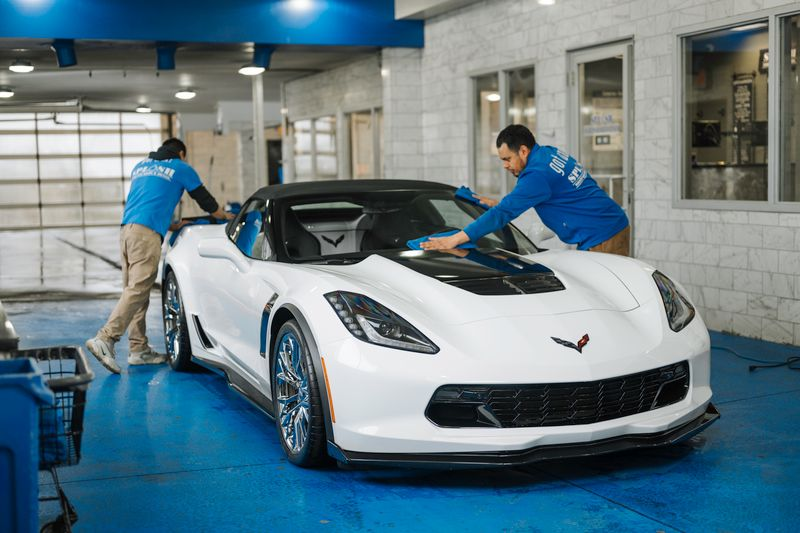
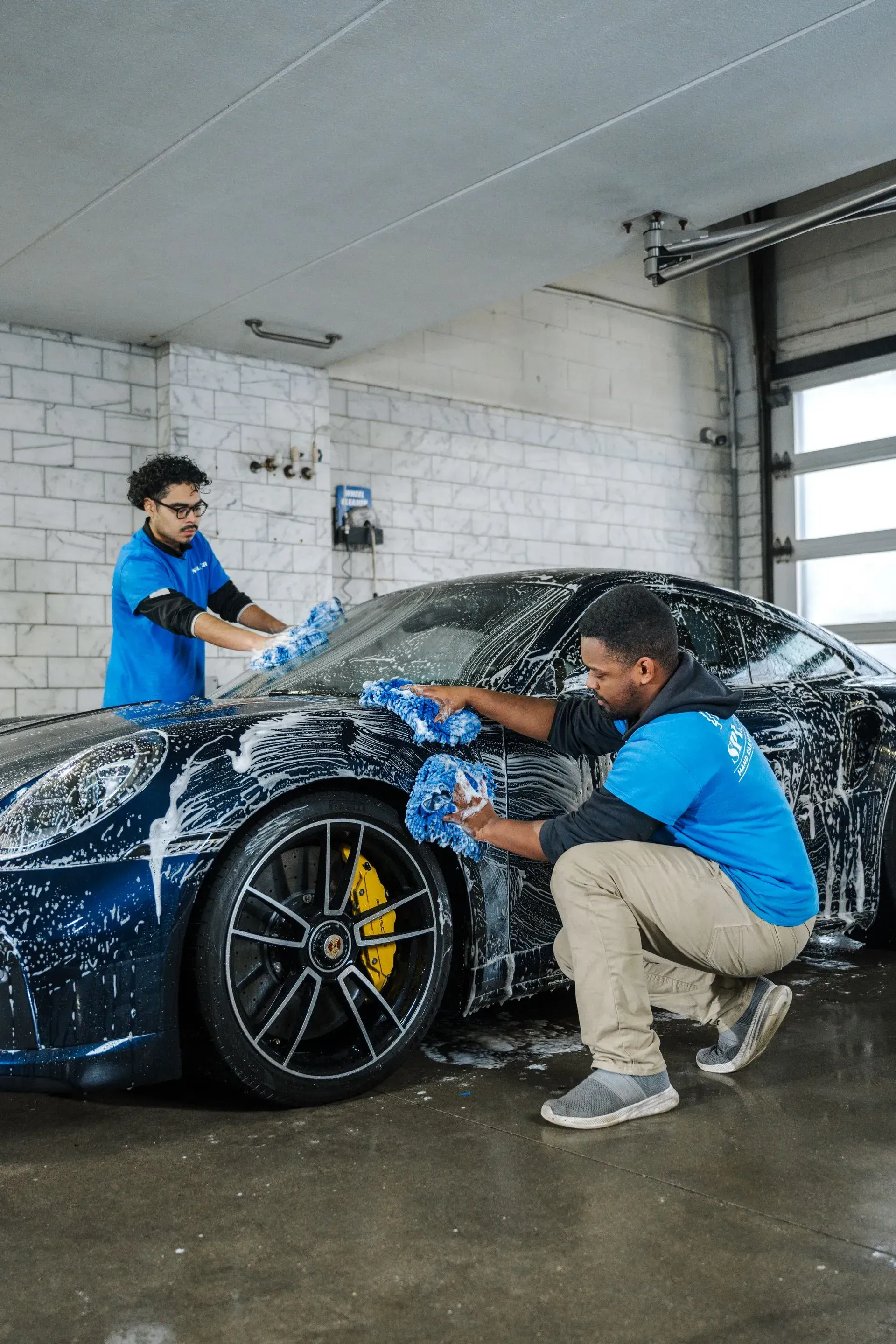
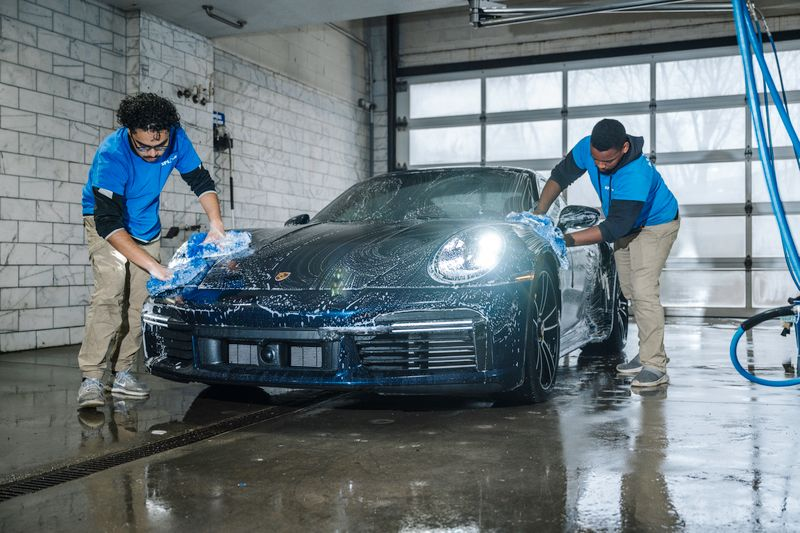
Professional car wash facilities often use reclamation systems that capture, filter, and reuse water for initial rinse stages. Fresh water is primarily used for final rinse only. This systematic approach results in significantly lower total water consumption per vehicle.
Professional facilities with water reclamation technology use considerably less water per vehicle than typical home washing approaches. For environmentally conscious professionals, this water efficiency represents a meaningful consideration.


Chemical Runoff and Water Treatment
Where wash water goes matters as much as how much is used. This is where eco-friendly car washing considerations become more complex.
When you wash at home, wastewater flows down your driveway into storm drains. Storm drains typically lead directly to local waterways without treatment. The soap, dirt, oil residue, and cleaning chemicals enter streams, rivers, and lakes untreated.
Even biodegradable products create environmental stress in concentrated doses. The cumulative impact of thousands of home car washes creates significant stress on local water systems.
Professional car wash facilities are typically regulated regarding wastewater disposal. Their wastewater is generally directed to sanitary sewers where it undergoes treatment at municipal water treatment plants. This helps ensure contaminated water is processed before returning to the environment.
Treated wastewater has contaminants removed or reduced before release. Untreated stormwater runoff from home washing carries contaminants directly into ecosystems. This regulatory framework for professional facilities represents an environmental advantage many don't consider.
Waste Disposal and Environmental Compliance
Professional car wash facilities typically operate under environmental regulations that home washers don't face. These regulations are designed to protect water quality and environmental health.
Common regulatory considerations for professional facilities:
- Wastewater disposal requirements
- Product selection and environmental safety
- Proper waste disposal procedures
- Environmental compliance standards
These requirements create accountability that doesn't exist for home washing. This regulatory framework incentivizes environmentally responsible practices.
Home washing environmental considerations:
DIY car washing operates outside these regulatory frameworks. Home washers aren't subject to wastewater disposal requirements or environmental monitoring. This means environmental impact depends entirely on individual choices.
Product Selection and Concentration
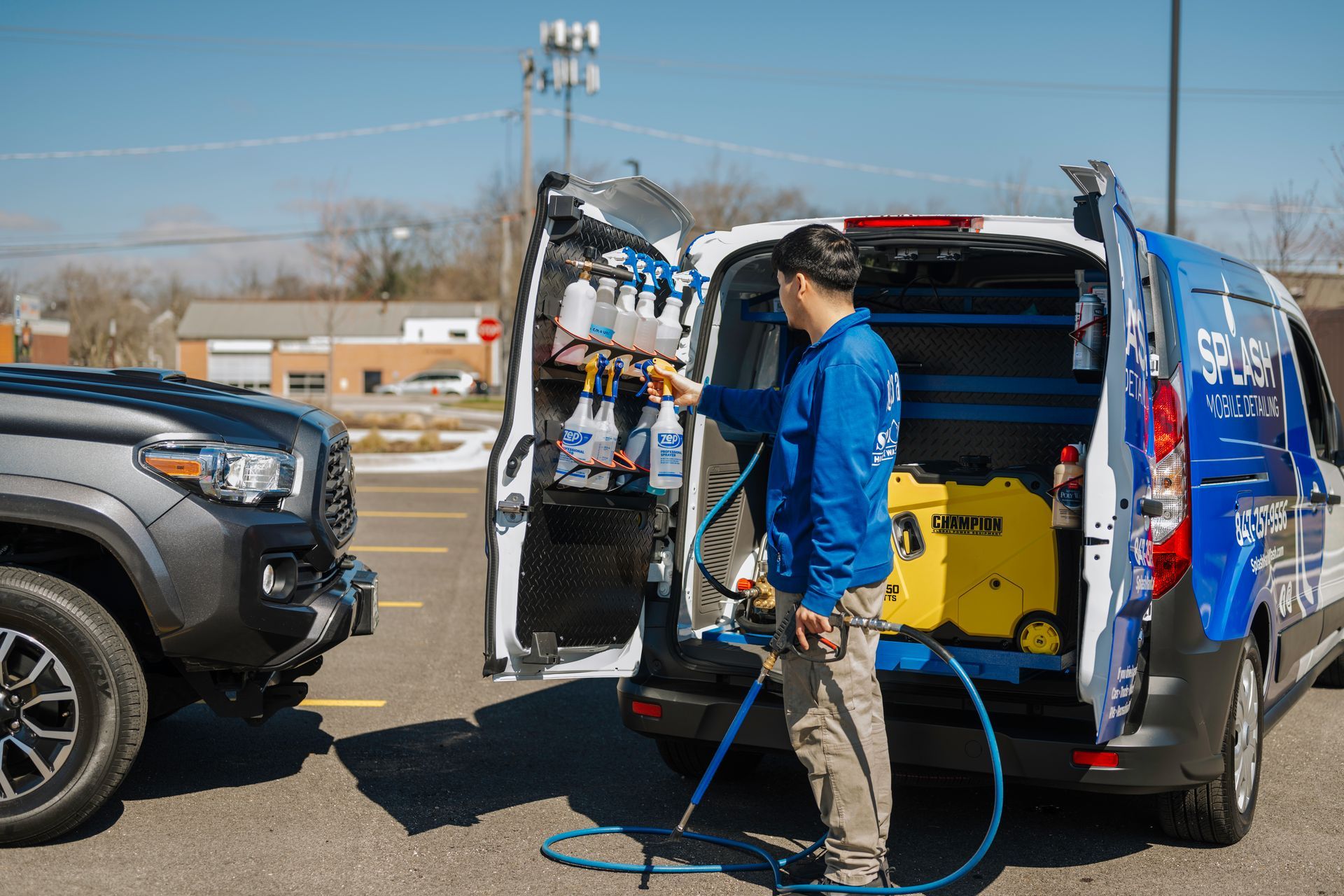
The products used for washing affect environmental impact significantly. Professional eco-friendly car washing facilities typically use concentrated commercial products formulated for specific applications. These products are diluted to precise ratios for optimal cleaning with minimal environmental impact.
Home washers often use consumer products at whatever concentration seems right. This can lead to over-application, creating stronger chemical runoff than necessary. Even environmentally friendly products cause problems in excessive concentrations.
Professional facilities often choose products based on cleaning effectiveness, environmental profile, and regulatory compliance. Home washers might select based on marketing or price without full environmental information.
Energy Efficiency Considerations
Environmental impact extends beyond water and chemicals to energy consumption. Professional facilities use specialized equipment designed for efficiency. Water heating, pressure systems, and drying equipment are optimized for automotive cleaning.
Washing multiple vehicles sequentially in a single location with purpose-built equipment typically uses less total energy than individual home washes spread across a community, each requiring separate water heating and equipment operation.
Making Informed Environmental Choices
Understanding these environmental factors helps you evaluate eco-friendly car washing options realistically. Neither professional nor DIY washing is automatically the environmental winner in all circumstances. The comparison depends on specific practices, equipment, and products involved.
Professional environmental advantages:
- Wastewater treatment requirements
- Potential for water reclamation systems
- Chemical disposal compliance
- Controlled product concentrations
- Specialized equipment efficiency
Home washing considerations:
- Stormwater runoff typically without treatment
- Continuous water flow during washing
- Variable product concentrations
- Individual environmental responsibility
- Limited regulatory oversight
For environmentally conscious professionals, these factors suggest that professional facilities with proper environmental practices may represent a more environmentally responsible choice, contrary to common assumptions.
At Splash Hand Car Wash and Detail, our hand car wash services are available at our Libertyville and Northbrook locations.
The Role of Individual Choices
Even within professional or DIY approaches, individual choices affect environmental impact. Not all professional facilities operate with the same environmental standards. Not all home washers create the same environmental stress.
If you choose professional washing, selecting facilities that demonstrate environmental responsibility matters. Look for operations that discuss their environmental practices openly.
If you choose home washing, understanding environmental best practices reduces impact. This includes using minimal water, selecting truly environmentally friendly products, and considering wash frequency carefully.
Beyond Car Washing
Environmental impact of vehicle care extends beyond just washing. Detailing services and protective treatments carry environmental implications worth considering.
Professional services that extend time between washes through protective treatments like ceramic coating can reduce overall washing frequency. Less frequent washing means less total water consumption, fewer chemicals used, and reduced environmental impact regardless of washing method chosen.

Your Environmental Impact Decision
Making environmentally responsible choices about eco-friendly car washing requires understanding actual environmental implications rather than assumptions. The evidence suggests professional facilities with proper environmental practices often deliver lower environmental impact than home washing, particularly regarding water treatment and chemical runoff.
This doesn't mean home washing is environmentally irresponsible. It means the environmental equation is more complex than most people realize, and professional washing deserves consideration as a legitimate environmentally conscious choice.
Contact us at Splash Hand Car Wash and Detail to discuss eco-friendly professional car care options. Our Libertyville and Northbrook locations are available to help you understand how professional washing fits into environmentally responsible vehicle care.
Frequently Asked Questions
Is professional car washing really more environmentally friendly than washing at home?
Professional eco-friendly car washing often has lower environmental impact due to several factors. Professional facilities must direct wastewater to sanitary sewers for treatment, while home washing typically sends untreated water directly into storm drains and local waterways. Many professional facilities also use water reclamation systems that significantly reduce total water consumption per vehicle.
How much water does home car washing actually waste?
Home car washing with a standard garden hose uses water continuously throughout the process. Without water reclamation systems, all water flows to waste. Professional facilities with reclamation systems capture and reuse water for initial wash stages, using fresh water primarily for final rinse, resulting in substantially lower total water consumption.
What happens to the chemicals when I wash my car at home?
When you wash at home, wastewater flows into storm drains that lead directly to local streams, rivers, and lakes without treatment. All soap, cleaning chemicals, dirt, oil residue, and contaminants enter natural water systems untreated. Even biodegradable products create environmental stress in concentrated doses.
Are all professional car washes environmentally responsible?
Not all professional facilities operate with the same environmental standards. However, professional facilities face regulatory requirements regarding wastewater disposal and environmental compliance that home washers don't. Look for eco-friendly car washing facilities that openly discuss their environmental practices and use water reclamation systems.